Guide to understanding
Pneumococcal
Disease and Prevention
What are Pneumococcal diseases?
Pneumococcal diseases are a variety of infections caused by the bacterium Streptococcus pneumoniae, also known as pneumococcus. Pneumococcal disease is the leading cause of mortality in children under 5 years of age, and it can be prevented through vaccination.
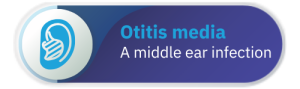
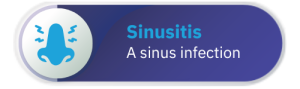
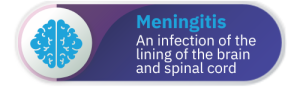
Types of Pneumococcal diseases
How common are Pneumococcal diseases?
Pneumococcus is the leading cause of bacterial pneumonia in children. Each year, an estimated 5.6 lakh severe cases of pneumococcal pneumonia occur in India, resulting in 1.05 lakh deaths in children under 5 years of age.
How do people get Pneumococcal disease?
People get pneumococcal disease from respiratory droplets spread by infected individuals through coughing, sneezing, or close contact. Many people, especially young children, may be carriers of pneumococcal bacteria. They may not exhibit symptoms but can spread the disease through respiratory secretions.
Who is at risk of Pneumococcal disease?
Anyone can get pneumococcal disease, but certain people are at higher risk. Age and certain health conditions can increase the likelihood of getting pneumococcal disease.
Children under 5 years old and and adults over 65 years old are at higher risk for pneumococcal disease. Additionally, the following conditions increase the risk regardless of age:
Conditions that weaken the immune system (such as having no spleen, sickle cell disease, HIV infection, undergoing dialysis, or taking immune-weakening medications like anticancer drugs)
Chronic heart, lung, kidney, or liver disease
Cochlear implants (devices to aid severe hearing loss) Cerebrospinal fluid leak
Alcoholism
Diabetes
Smoking
What are the Symptoms of the pneumococcal diseases?
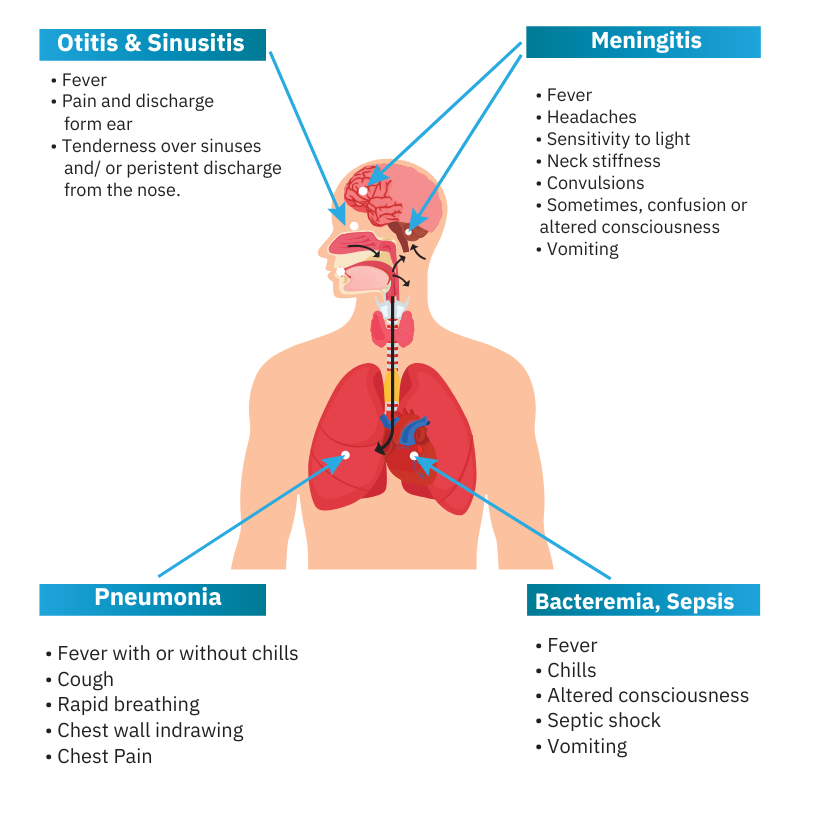
Pneumococcus causes a variety of diseases, and the symptoms depend on organ system involved.
How to Diagnose Pneumococcal infections?
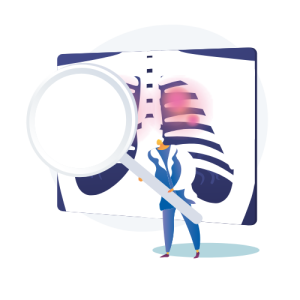
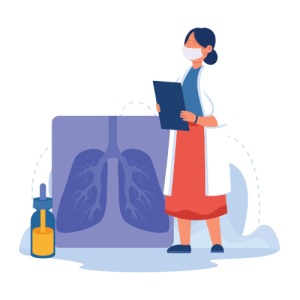
Serious infections such as meningitis and bloodstream infections are diagnosed by testing cerebrospinal fluid and blood, respectively, for pneumococcal bacteria. Pneumonia is diagnosed through blood tests and chest X-rays. Ear and sinus infections are diagnosed based on symptoms and physical examinations by doctors.
How to treat Pneumococcal infections?
Doctors prescribe antibiotics for the right amount of time to treat pneumococcal infections effectively. However, some strains of pneumococcal bacteria have become resistant to certain antibiotics, which can make treatment challenging
What vaccines are available to prevent Pneumococcal disease?
In India, there are two types of Pneumococcal vaccines available:
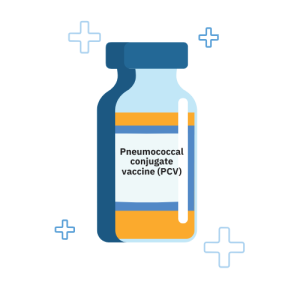
a. Pneumococcal conjugate vaccines (PCV10, PCV13, and PCV14)
b. Pneumococcal polysaccharide vaccine (PPSV23)
For children under two years old, only pneumococcal conjugate vaccines are recommended.
The numbers in PCV10, PCV13, and PCV14 indicate the number of pneumococcal bacterial serotypes present in the vaccines. These vaccines protect against different serotypes of pneumococcal bacteria. Vaccines with higher numbers protect against more types of pneumococcal bacteria serotypes.
Who should get the Pneumococcal conjugate vaccines (PCV)?
According to the recommendations of the Indian Academy of Pediatrics (IAP), Pneumococcal conjugate vaccines (PCV) should be given to all children starting from 6 weeks of age, unless contraindicated.
Usually, three doses of the vaccine are recommended at 6 weeks, 10 weeks, and 14 weeks of age. A fourth dose is recommended between 12 and 15 months of age.
Your doctor can provide more information about the vaccines, including the approved age, dosage, and schedule for administering the vaccines. If a child misses the vaccine within the recommended age limits, consult your doctor for information about the upper age limit for vaccination, the number of doses needed, and the type of vaccine.
How safe are Pneumococcal vaccines? What are the expected adverse reactions to Pneumococcal vaccines?
Pneumococcal vaccines are generally well tolerated. Mild reactions, which are generally self-limiting like fever, injection site pain, swelling, redness and rarely fussiness, sleepiness and loss of appetite may occur.
Who should not receive Pneumococcal vaccines?
People who have had a severe allergic reaction after a previous dose of the Pneumococcal vaccine, or any vaccine containing diphtheria toxoid (such as DTP), or who have severe, life-threatening allergies to vaccine components, should not receive Pneumococcal vaccines.
For more information about Pneumococcal disease and the Pneumococcal conjugate vaccine, please contact your doctor today.
Issued in Public Interest by Biological E Limited.
Track Your Child’s Vaccinations Effortlessly!
Get Your Free Tracker!
Enter your name and number to download your Child Vaccination Tracker and stay updated on your little one’s immunization schedule.